
Blog
This Snack Swap Could Help Manage Blood Sugar & Prevent Metabolic Disease

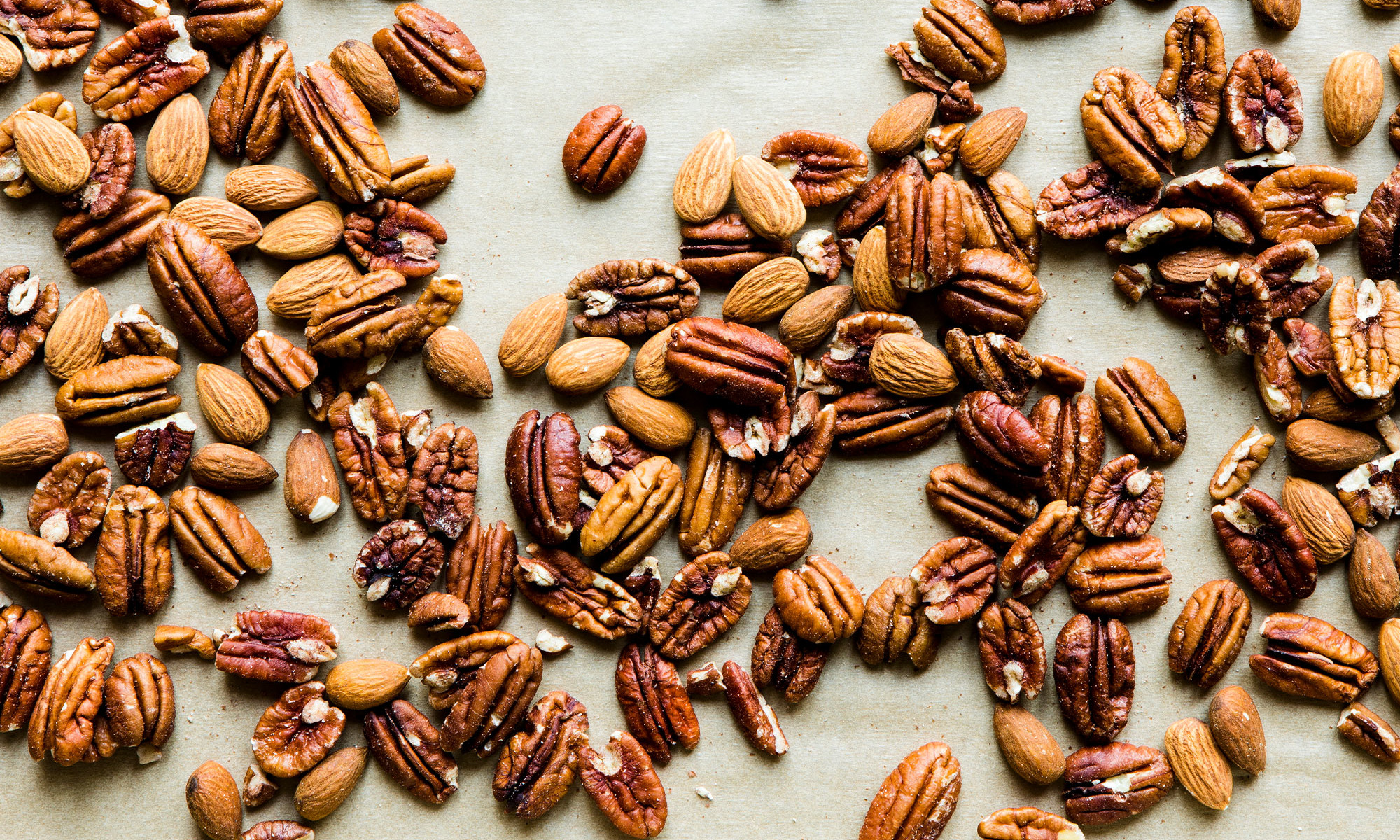
Without calorie restriction, we might add.
Related Posts

Heart Disease Will Affect 60% of Women by 2050 — Unless We Do This

Here's what the new American Heart Association projections mean for you

Eating This Could Raise Your Risk Of Heart Disease By 47%
And based on the numbers, those eating the most ultra-processed foods had a much higher risk of heart disease. As senior study author, ...

Women’s Heart Disease Risk Rises At Lower Plaque Levels
Ask about CT angiography. If you have risk factors for heart disease (high blood pressure, high cholesterol, diabetes, family history, ...

The One Olive Oil Swap That Could Protect Your Brain As You Age
If you've been drizzling olive oil on everything, such as salads, roasted veggies, and bread, you're probably feeling pretty good about...

Why Night Owls Face Higher Muscle Loss & Metabolic Risk
I've always been an early bird. Give me a 6 a.m. workout over a late-night gym session any day. For years, I figured my love for mornin...

This Habit Could Majorly Boost Liver & Metabolic Health
As the researchers explain, the release of these proteins can be influenced by a number of lifestyle factors, including things like shi...

Is Coconut Sugar Keto: What You Need To Know About The Sweetener
If the two are almost nutritionally identical, what's the potential upside to using one over the other? "In the refining process of whi...

These 3 Habits Are Secretly Weakening Your Nails (& What To Do Instead)
Growing long and strong nails isn't easy for everyone—but it is possible.

7 Science-Backed Ways to Lower Your Blood Pressure Naturally
No 2. on the list is crucial.

I’m An RD In My 30s & This Is The Supplement I Take For Hydrated, Bouncier Skin
It's also given me a more even complexion.*

MIT Scientists Discover Why We “Zone Out” & Why It's A Good Thing
New research from MIT shows why we zone out after a bad night's sleep—and actually it might make you feel a little better about it.

This Everyday Blood Sugar Pattern Is Linked To 69% Higher Alzheimer's Risk
New research suggests we've been looking at the wrong numbers this whole time.